System testing is where your software meets the real world. Let’s dive into how it works, why it matters, and what it takes to master it.
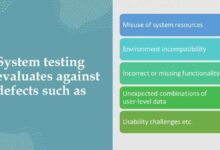
Understanding System Testing Fundamentals

System testing is the final phase of software testing before the product goes live. It validates the complete and integrated software system to ensure it meets the specified requirements.
Definition and Importance
System testing is a type of black-box testing that evaluates the entire system’s compliance with the specified requirements. It ensures that the software works as a whole and that all components interact correctly.
- Validates end-to-end system specifications
- Simulates real-world scenarios
- Ensures readiness for deployment
“System testing is not about testing individual modules, but how they work together as a whole.”
Objectives of System Testing
The main objectives of system testing include:
- Ensuring system functionality aligns with business requirements
- Identifying defects missed in earlier testing phases
- Validating system performance under various conditions
System Testing vs. Other Testing Types
System testing differs from unit and integration testing in several ways:
- Unit Testing: Tests individual components
- Integration Testing: Tests interactions between modules
- System Testing: Tests the complete system as a whole
Types of System Testing
There are various types of system testing, each targeting specific areas of the software.
Functional Testing
This type verifies that the software functions according to the requirements.
- Validates user commands, data manipulation, searches, etc.
- Ensures correct behavior under normal and abnormal conditions
Performance Testing
Evaluates the system’s responsiveness, stability, and scalability under load.
- Includes load testing, stress testing, and endurance testing
- Identifies performance bottlenecks
Security Testing
Assesses the system’s ability to protect data and maintain functionality under malicious attacks.
- Checks for vulnerabilities such as SQL injection, XSS, etc.
- Ensures compliance with security standards
System Testing Life Cycle
The system testing life cycle defines the phases involved in executing system tests.
Test Planning
In this phase, the scope, objectives, resources, and schedule of testing are defined.
- Identify testing objectives
- Define test strategy and approach
- Allocate resources and tools
Test Case Development
Test cases are created based on system requirements and design documents.
- Write detailed test cases with input, output, and expected results
- Review and approve test cases
Test Execution and Reporting
Tests are executed, and results are recorded for analysis.
- Execute test cases and log defects
- Generate test reports and metrics
Best Practices for Effective System Testing
Implementing best practices ensures thorough and efficient system testing.
Requirement Traceability
Ensure that all requirements are covered by test cases.
- Use a traceability matrix
- Update as requirements evolve
Automation Strategy
Automate repetitive and regression tests to save time and increase accuracy.
- Select appropriate tools (e.g., Selenium, JUnit)
- Maintain reusable test scripts
Continuous Integration and Testing
Integrate testing into the CI/CD pipeline for faster feedback.
- Automate builds and deployments
- Run tests after every code commit
System Testing Tools and Technologies
Several tools are available to facilitate system testing.
Automation Tools
Popular automation tools include:
Performance Testing Tools
Performance tools help simulate load and measure system behavior.
Bug Tracking Tools
Track and manage test defects using tools like:
Challenges in System Testing
System testing comes with its own set of challenges.
Complex Integration
Testing integrated systems can be complex due to multiple dependencies.
- Requires coordination across teams
- Needs comprehensive test data
Environment Management
Setting up a test environment that mirrors production is difficult.
- Needs proper configuration and isolation
- Often requires virtualization or containerization
Time and Resource Constraints
Limited time and resources can affect test coverage.
- Prioritize test cases based on risk
- Use automation to improve efficiency
Real-World Case Studies in System Testing
Case studies help understand practical applications of system testing.
Case Study: E-Commerce Platform
An e-commerce company implemented system testing to validate checkout and payment modules.
- Found critical bugs in payment gateway integration
- Improved user satisfaction post-release
Case Study: Banking Application
A bank used system testing to ensure compliance and security in its mobile app.
- Detected data leakage vulnerabilities
- Passed regulatory audits successfully
Case Study: Healthcare Software
System testing helped a healthcare provider meet HIPAA compliance.
- Validated data encryption and access control
- Improved application reliability
Future Trends in System Testing
System testing is evolving with new technologies and methodologies.
AI and Machine Learning
AI is being used to create smarter test cases and predict defects.
- Reduces manual effort
- Improves test accuracy
Shift-Left Testing
Testing is moving earlier in the development cycle.
- Identifies issues sooner
- Reduces cost of fixing bugs
Cloud-Based Testing
Testing in the cloud offers scalability and flexibility.
- Supports distributed teams
- Reduces infrastructure costs
What is system testing?
System testing is a phase in software testing where the complete integrated system is tested to verify that it meets specified requirements.
Why is system testing important?
It ensures that the entire application works as expected and meets business and technical requirements before release.
What are the types of system testing?
Common types include functional testing, performance testing, and security testing.
What tools are used in system testing?
Popular tools include Selenium, JMeter, LoadRunner, and JIRA.
How is system testing different from integration testing?
Integration testing focuses on data flow between modules, while system testing validates the entire system’s functionality.
System testing is a critical phase in the software development lifecycle. It ensures your application meets all requirements, performs under stress, and is secure from threats. By understanding its principles, types, tools, and best practices, teams can deliver robust, reliable software to users.
Further Reading:
